The four phases of a research project
The project develops in four phases, from the first research question to the final science-fair presentation. Each phase produces a specific deliverable that moves the work forward.
Phase 1
Understand the field
DeliverableBackground Research Report
The student narrows an area of interest, learns what is already known, identifies the important concepts, and develops a research question or engineering problem grounded in prior work. The result is a written report explaining the project’s scientific background and why the question is worth pursuing.
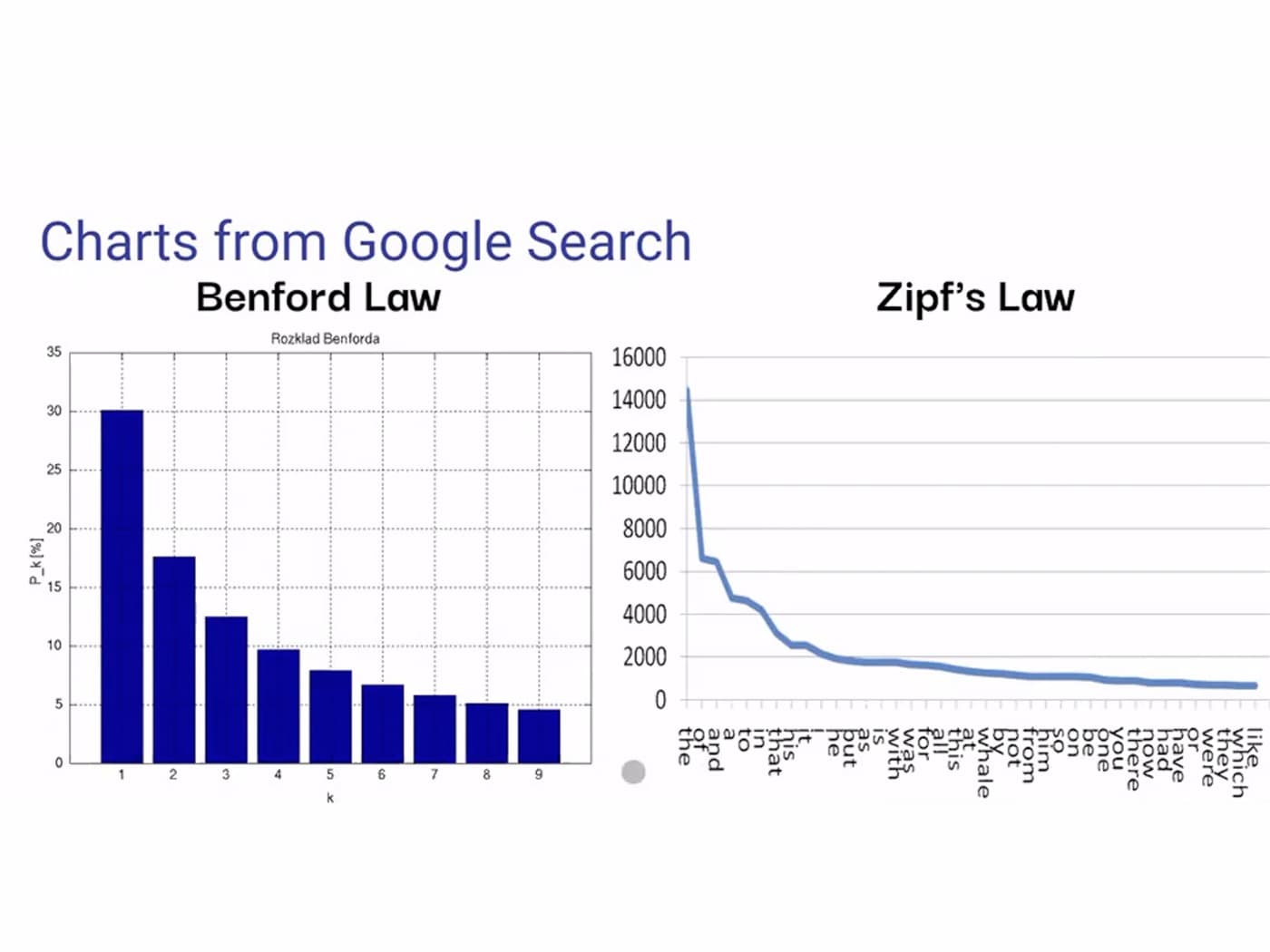
Finding what is already known: two published distributions, gathered and compared. Phase 2
Plan the research
DeliverableScience-Fair Research Plan
The student develops a hypothesis or design requirements, defines variables or performance criteria, chooses the method, and plans how the research will be carried out. The result is a formal research plan in the format science fairs require, including the documentation needed for review and approval.

Ellice presenting her experimental design in eighth grade. Phase 3
Do the work
DeliverableProject Data and Results
The student conducts the experiment, builds and tests the engineering solution, or runs the data and AI analysis. The result is a complete record of the evidence produced: measurements, observations, model results, test data, and how they were obtained.
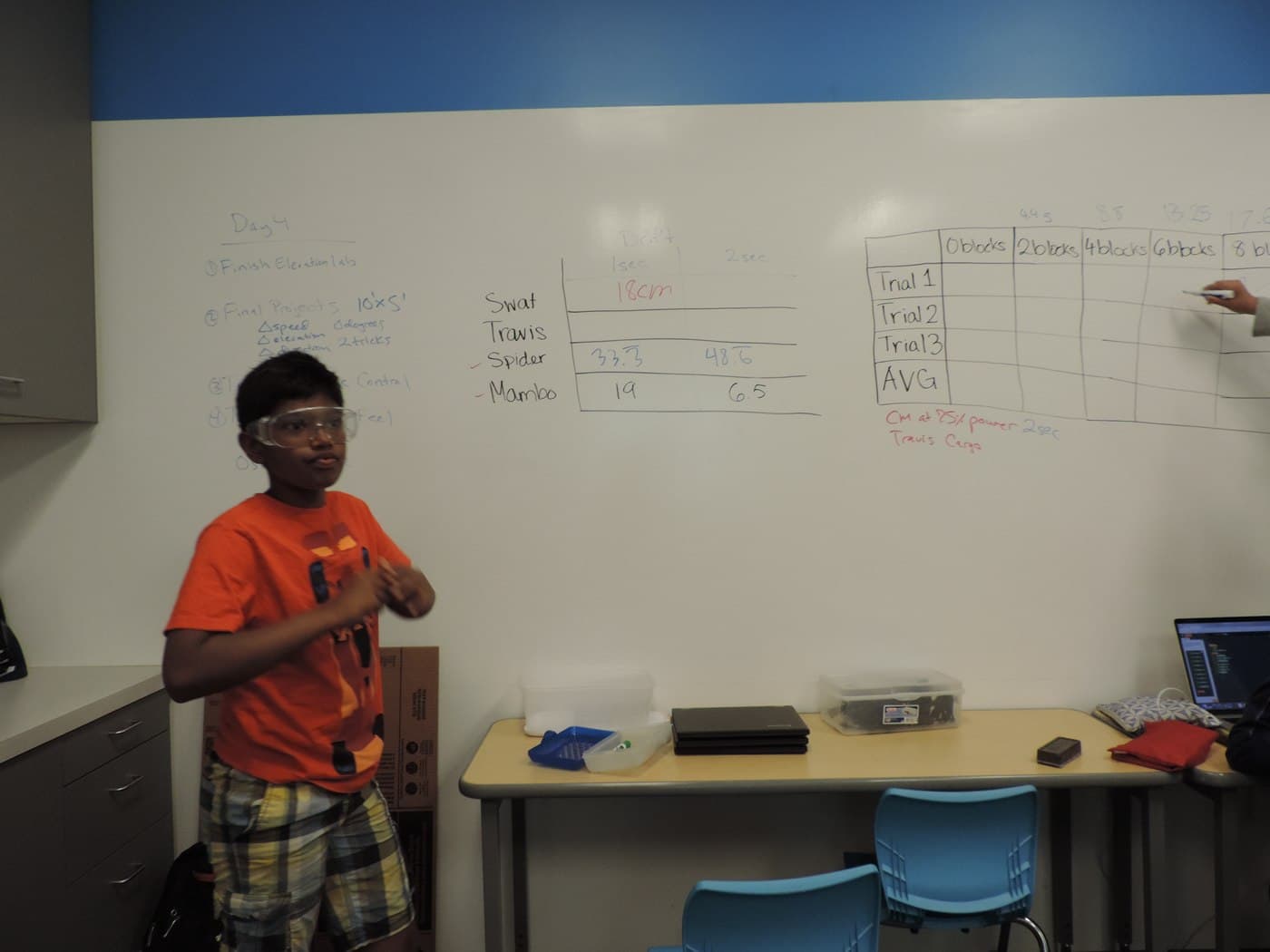
Three trials and an average, recorded as the drone flies. Phase 4
Present and defend the work
DeliverableResearch Abstract and Science-Fair Display
The student analyzes the results, draws conclusions, identifies limitations, and prepares the project for presentation. The result is a science-fair abstract, a display board with the key methods, figures, and results, and the preparation to explain and defend the project before judges.
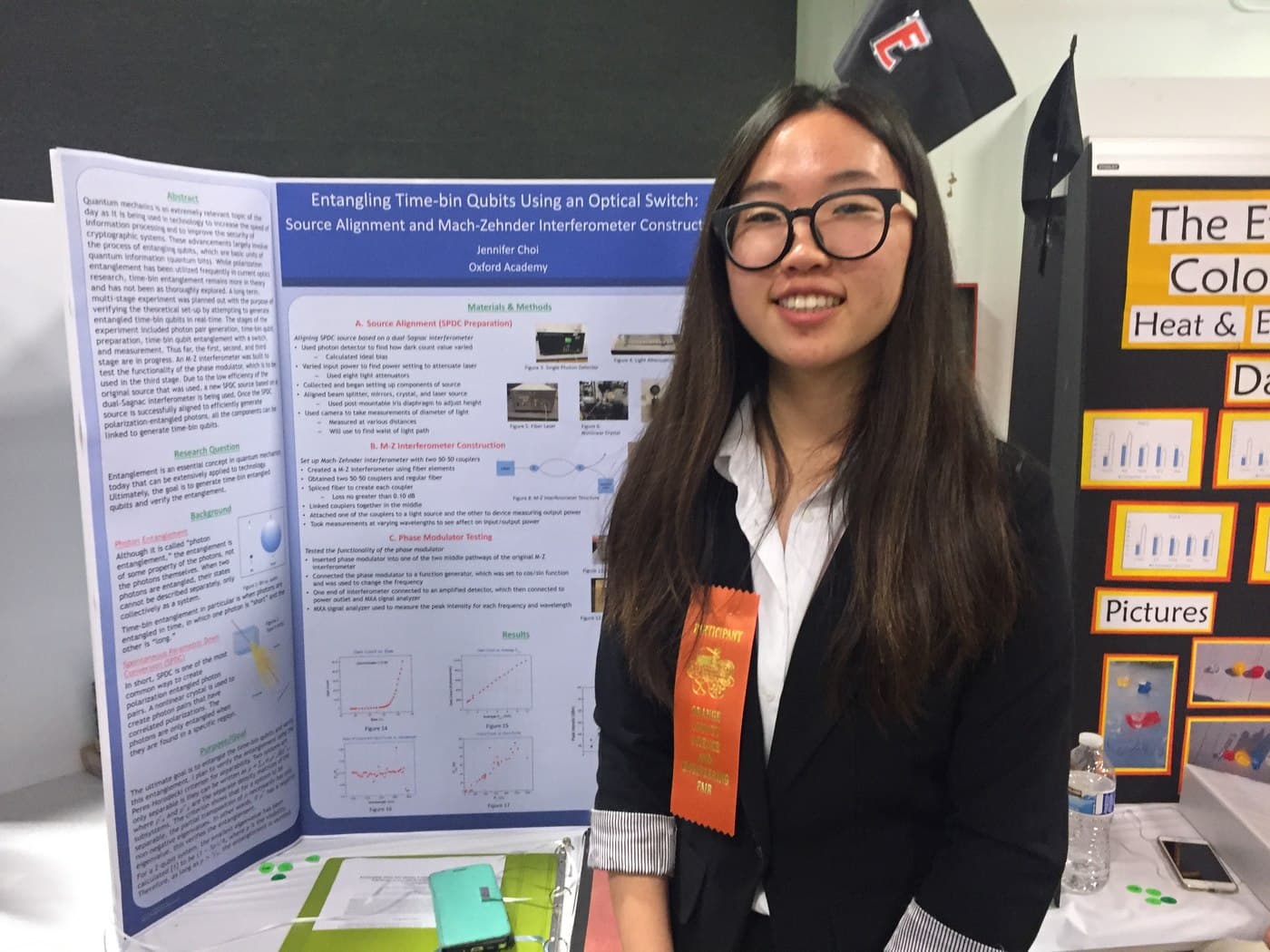
A finished board at the Orange County Science and Engineering Fair.